Seven Strategies to Support State-level Health-Promoting Policies

Reductions in federal and state funding, infrastructure, and workforce have reduced capacity for states to support communities’ health and wellbeing. With less federal support, states and localities will play an even more critical role in advancing health promoting policy.

However, state leaders and advocates face an increasingly complex policy environment to advance community health in the current landscape. As part of TFAH’s Promoting Health and Cost Control in States (PHACCS) initiative, we asked policy advocates and government staff from around the U.S. how national organizations and other non-federal partners can support efforts to advance policies and programs that can promote health and reduce healthcare spending.

The following summarizes those individuals’ responses, framed as opportunities for national-level partners to deepen their state engagement toward policy change.

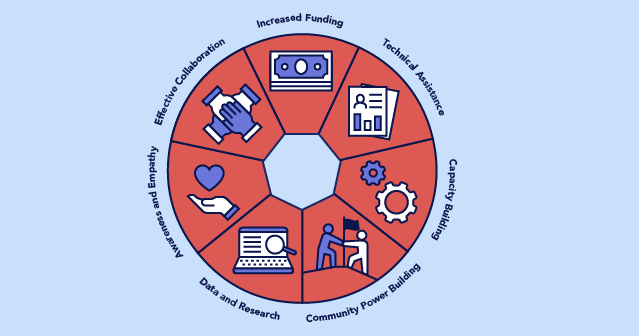
Support Area 1: Increase funding for organizations, especially flexible use of funds.

Lack of flexible funding at federal, state, and local levels slows efforts to advance policy goals and address community needs. With federal funding in flux, support from philanthropic funders at community, state and national levels, as well as other national partners, can help address some of the funding gaps faced by community organizations.

National-level partners can:

  • Provide seed funds to jumpstart implementation efforts.
  • Educate grantees about how to maximize philanthropic funds for advocacy.
  • Support flexible funding mechanisms for advocacy organizations to address their structural needs.
  • Set realistic expectations for funding support through manageable timelines and goals.
  • Allow for greater flexibility in how funds can be used so that organizations can address needs specific to their community.

Support Area 2: Provide targeted technical assistance to organizations with a specific need or problem.

Even as national-level partners face their own challenges, they can also help those at the local level meet the moment, especially as local resources and staff time are more constrained. Partners can invest in people and communities who can do the work effectively.

National-level partners can:

  • Help organizations navigate the grant proposal process and identify relevant funding opportunities.
  • Assist resource-strained organizations with developing funding proposals.
  • Modify reporting requirements so that organizations can satisfy grant requirements and increase their chances for continued funding.
  • Provide policy support and advice, especially in a fast-changing policy environment.
  • Provide support for organizations to evaluate their work to demonstrate impact.

Support Area 3: Encourage capacity building that allows advocates to invest in people and communities who can do the work effectively.

Capacity building should inform community strategies to train and build skills for organizations to meet needs on their own and increase operational, programmatic, financial, or organizational capacity to advance their goals.  National-level partners can:

  • Ensure there is authentic power sharing between national and state/local advocacy groups or governments.
  • Build governance expertise by helping state/local advocacy groups or governments understand their legal authorities and identify legal and policy tools to promote health.
  • Help build coalitions and networking opportunities to enhance cross-sector collaboration and strengthen relationships.
  • Provide resources that share best practices and evidence-based strategies to promote health.
  • Offer advocacy skills, strategies, and tools to help state policy efforts gain bipartisan support.

Support Area 4: Invest in community power building that encourages deeper synergy between community, state/local government, and national partners. 

Partnering with states to advance policy strategies can ensure there is a deeper throughline with community, state/local government, and national partners. National-level partners can:

  • Develop tools to guide community power building by centering community needs.
  • Incorporate community engagement efforts into funding.
  • Help build political electoral power at state levels to harness and leverage community power to advance local, community-driven policy solutions.
  • Help disengaged community members see systemic issues as solvable.
  • Reframe wins and losses as steps for a long-term agenda to avoid burnout and create a culture of well-being.

Support Area 5: Ensure better access to and use of data and research, especially to inform stories for both decisionmakers and residents.

Even with greater mistrust in data, science, and evidence, national partners should continue supporting advocates in accessing readily available and easily interpretable data and research to build a case for evidence-based policy. National-level partners can:

  • Improve the data and evidence base, considering how data is collected and shared back with communities.
  • Ensure accountability for data sovereignty for Tribal nations and state relationships.
  • Use local research and local examples of successful policy adoption and implementation to demonstrate the possibilities and benefits of pursuing a health-promoting policy.
  • Provide support to ensure that quantitative data is paired with lived experience narratives to provide context for advocacy.

Support Area 6: Exercise empathy and awareness about the challenges faced by states and localities. 

States and localities can feel isolated and misunderstood, especially as they face unique challenges amid evolving political and funding environments. To ensure states and localities feel heard and understood, national-level partners can:

  • Recognize and acknowledge unique state and local challenges.
  • Allow flexibility in reporting requirements and language, especially as some entities may be less able to pursue explicitly equity-focused efforts.
  • Help partners build an advocacy case by sharing successful efforts and lessons learned by similar states or localities.
  • Recognize the need to balance national and state and local expertise, knowing when to share leadership responsibilities in leading local efforts to advance policy.

Support Area 7: Maintain and nurture effective collaboration with partners to advance policy.

National-level organizations are uniquely positioned to help state entities identify partners to advance policy. Specifically, national groups can help build opportunities for brainstorming, collaboration and peer learning. To support collaboration, national-level partners can:

  • Create spaces for state and local leaders to share and amplify their stories.
  • Ensure authentic partnerships that offer equitable support for community partners.
  • Use their convening power and knowledge of the field to identify a unifying goal and vision for the future.
  • Provide resources for organizations and government partners to collaborate with others in similar states, political environments, and regions.
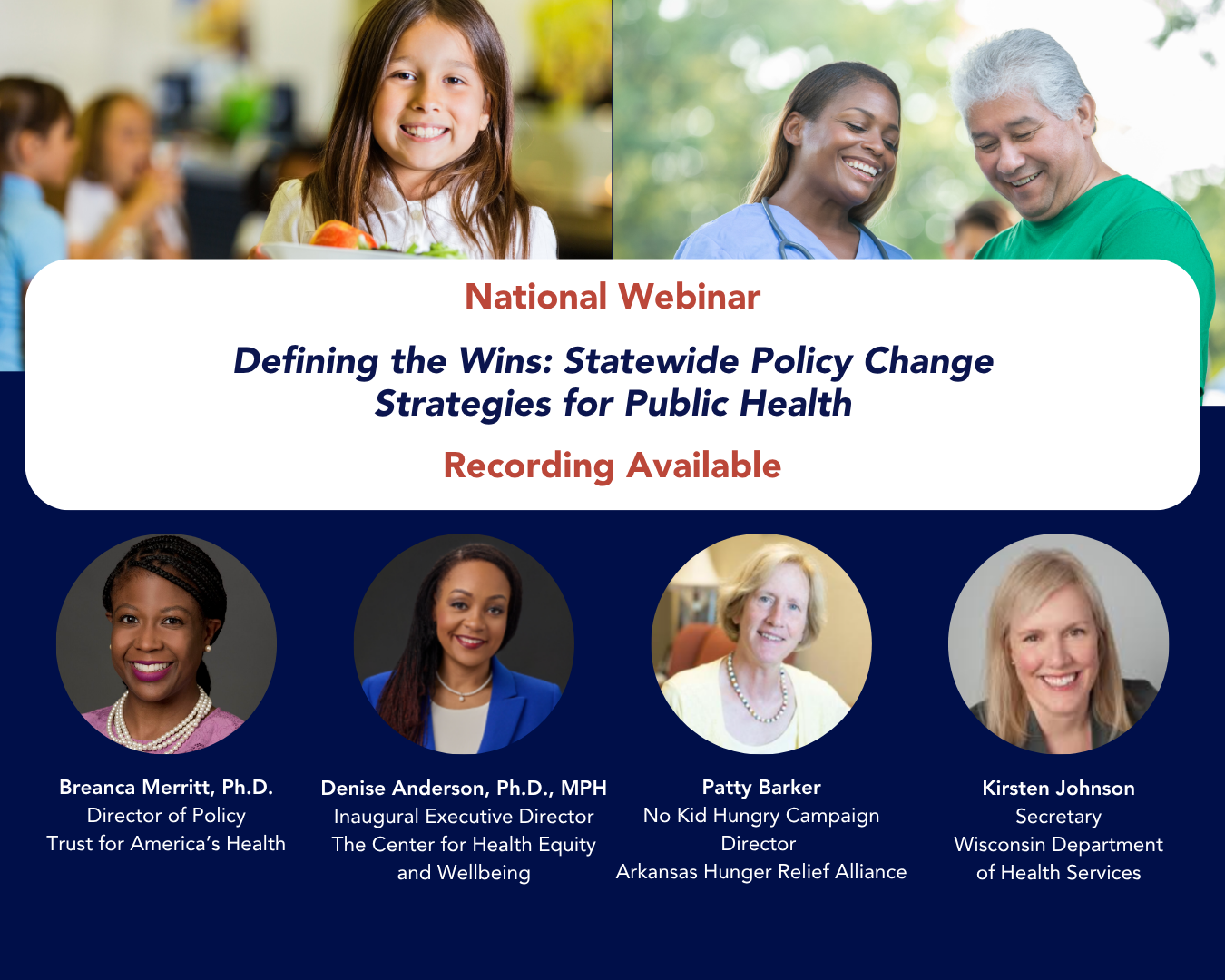
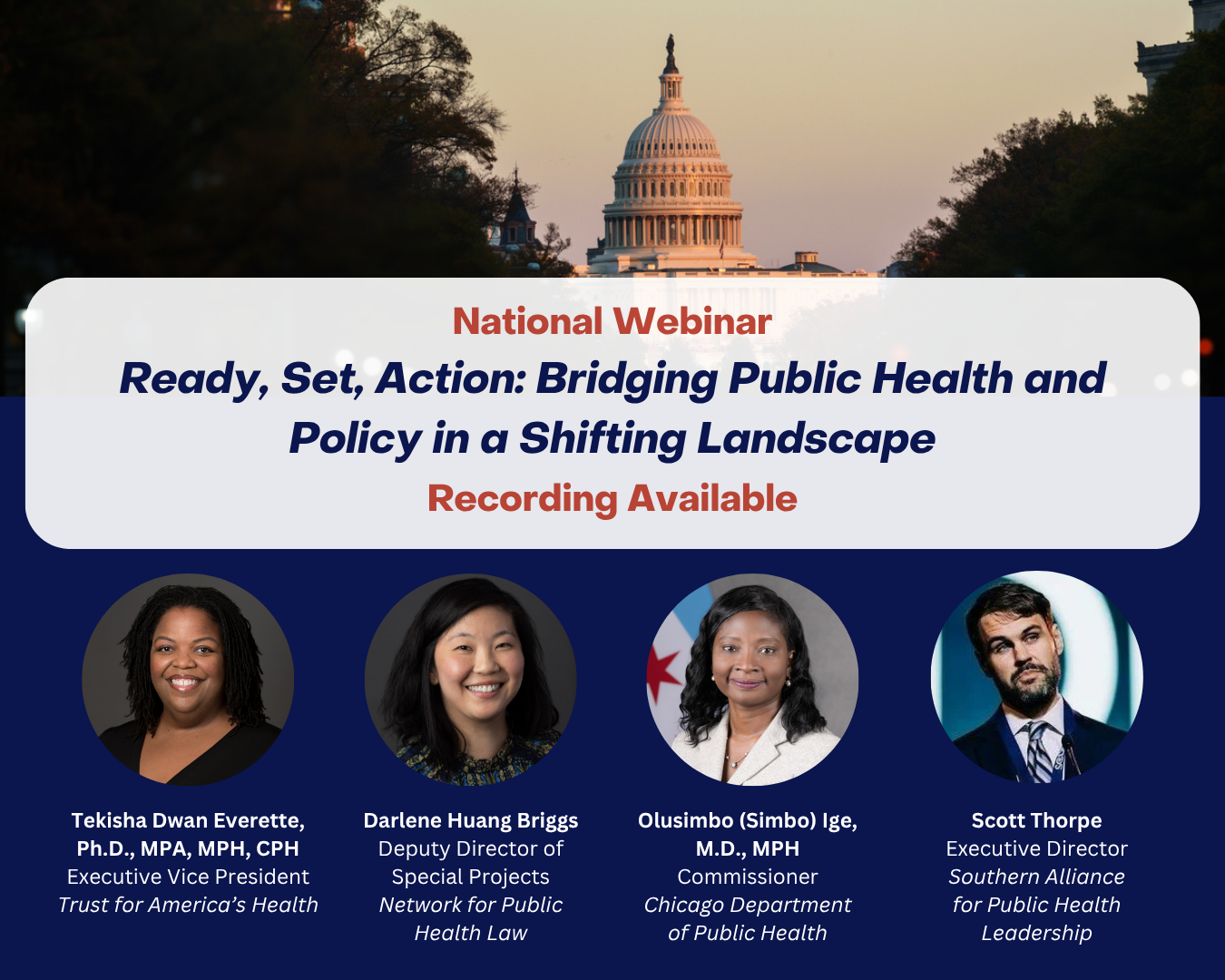
Advancing Policies that Create Conditions for Good Health

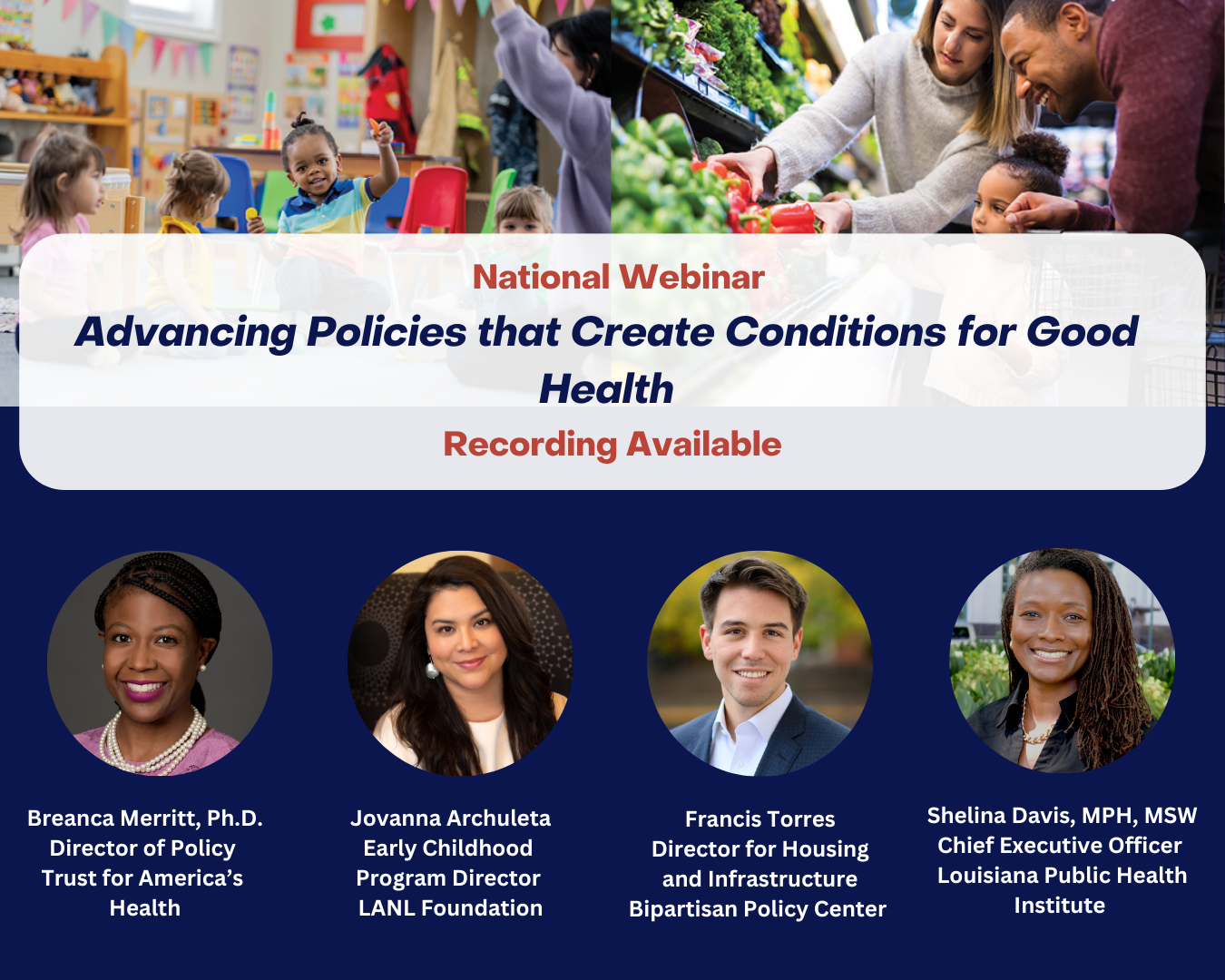
Trust for America’s health hosted a national webinar on the recently released report,  Advancing Policies that Create Conditions for Good Health: Opportunities, Barriers, and Strategies, a report of TFAH’s Promoting Health and Cost Control in States (PHACCS) initiative.

How can we advance the public’s health in an era of diminished federal and state public health infrastructure and funding? The report shares strategies and trends about how states are addressing policies beyond traditional public health infrastructure that promote residents’ health and create return on investment. The webinar highlighted perspectives from national, government, and advocacy partners about the federal and state implications of policies that can help improve community health. As the current policy environment shifts responsibility to address non-medical drivers of health from federal to state governments, states will need to embrace new strategies, collaborate across sectors, and act creatively to continue advancing policies that support residents’ health.

We discussed how states have and can continue to advance health promoting policies in a variety of policy environments, ensuring that improvements are experienced in all communities amid a weakened public health infrastructure.

New Report Examines State Policies that Support Good Health and Analyzes the Legislative Landscape for their Implementation

Federal cuts to health promoting programs will require that states and community partners innovate and work across sectors to protect and advance residents’ health


(Washington, DC – December 17, 2025) – Federal actions that cut funding and lead to program eliminations throughout government will slow the implementation of state-level policies that promote health, concludes a new report, Advancing Policies that Create Conditions for Good Health: Opportunities, Barriers, and Strengths, released today by Trust for America’s Health (TFAH). These program changes will create gaps that states and cross-sector partnerships could help address through support for collaboration and innovation.

The report is the newest in TFAH’s Promoting Health and Cost Control in States (PHACCS) report series highlighting evidence-based policies and programs states can pursue to improve residents’ health and reduce healthcare spending. Population-level health is influenced by a variety of social and economic factors, such as housing access, food affordability, the built environment, and workplace policies. The PHACCS Initiative, launched in 2018, identifies evidence-based policies that states can implement to promote residents’ health and create economic return on investment.

This new report considers these policies in the current legislative landscape, based on input from advocates, service providers, and government staff across different jurisdictions and policy areas. It analyzes how the changed legislative environment is impeding policy action and what new innovations and cross-sector collaborations are needed to create or protect policy momentum.

“The nation’s public health infrastructure has been changed in consequential ways that will impact states and communities across the country. These changes, including funding cuts and the elimination of effective programs, risk reversing progress in improving Americans’ health,” said J. Nadine Gracia, M.D. MSCE, President and CEO of Trust for America’s Health. “In order to fill some of these gaps, state-based organizations and policymakers are developing strategies to support health promoting policies, particularly in communities with the greatest need.”

The report is organized into three sections which encourage states and cross-sector partners to continue their work promoting good health in every community by sharing information, evidence, and innovative strategies.

“Leaders within policy areas supported by the PHACCS initiative continue to leverage strategies that help advance policies in ways that uniquely fit their states despite fiscal constraints created by the current budget environment,” said Breanca Merritt, Ph.D., Director of Policy at Trust for America’s Health. “This report identified recent progress and policy wins using these approaches, including bipartisan and community-driven efforts within multiple states.”

The first section, Creating Conditions for Good Health: A Changing Policy Environment, outlines federal policies that have supported states in advancing health promoting programs, as well as recent federal policy decisions and state actions that limit states’ ability to do so.

The second section, Creating Conditions for Good Health: What’s Working for States, summarizes input from advocacy organizations and government partners collected during national and regional level convenings. During the convenings, participants discussed effective strategies for advancing health promoting policies in states as well as barriers to their implementation.

The last section of the report, Creating Conditions for Good Health: Progress and Highlights of PHACCS Policies reviews trends in state-level adoption within policy areas highlighted by PHACCS, including:

  • Universal pre-kindergarten programs
  • School nutrition programs
  • Drug overdose and infectious disease prevention strategies, including harm reduction
  • Smoke-free policies
  • Tobacco and alcohol pricing strategies
  • Complete Streets policies
  • Housing rehabilitation and rapid re-housing programs
  • Earned Income Tax Credit
  • Earned employee sick leave
  • Paid family leave
  • Fair hiring practices

These policies have shown strong or emerging evidence for their ability to improve health and can offer return on investment for states that implement them. In the coming years, states and their community partners should strive to collaborate even more closely to support their implementation.


Un nuevo informe examina las políticas estaduales que apoyan la buena salud y analiza el panorama legislativo para su aplicación

Los recortes federales a los programas de promoción de la salud exigirán que los estados y los socios comunitarios innoven y trabajen entre los distintos sectores para proteger y mejorar la salud de los residentes


(Washington, D. C., 17 de diciembre de 2025): Las medidas federales que recortan la financiación y conducen a la eliminación de programas en todo el gobierno frenarán la aplicación de políticas estatales que promuevan la salud, según concluye un nuevo informe, Advancing Policies that Create Conditions for Good Health: Opportunities, Barriers, and Strengths (Cómo promover políticas que generen las condiciones para una buena salud: oportunidades, obstáculos y fortalezas), publicado hoy por Trust for America’s Health (TFAH). Estos cambios en los programas crearán lagunas que los estados y las asociaciones intersectoriales podrían ayudar a resolver apoyando la colaboración y la innovación.

El informe es el más reciente de la serie de informes “Promoción de la salud y control de costos en los estados (PHACCS)” de TFAH en la que se destacan las políticas y los programas basados en pruebas que los estados pueden aplicar para mejorar la salud de sus residentes y reducir el gasto atención sanitaria. La salud a nivel de la población se ve influida por diversos factores sociales y económicos, como el acceso a la vivienda, la asequibilidad de los alimentos, el entorno construido y las políticas laborales. La Iniciativa PHACCS, lanzada en 2018, identifica políticas basadas en pruebas que los estados pueden implementar para promover la salud de los residentes y generar un retorno económico de la inversión.

Este nuevo informe considera estas políticas en el panorama legislativo actual y se basa en los aportes de activistas, proveedores de servicios y personal gubernamental que se desempeña en diferentes jurisdicciones y ámbitos políticos. En él se analiza cómo el cambio ocurrido en el entorno legislativo impide que se tomen medidas políticas y qué nuevas innovaciones y colaboraciones intersectoriales se necesitan para generar impulso político o mantenerlo.

“La infraestructura de salud pública de la nación ha cambiado ostensiblemente de maneras que afectarán a los estados y las comunidades de todo el país. Estos cambios, que incluyen recortes en la financiación y la eliminación de programas eficaces, corren el riesgo de revertir los avances que ha habido en la mejora de la salud de los estadounidenses”, declaró la doctora J. Nadine Gracia, MSCE, presidenta y consejera delegada de Trust for America’s Health. “Para zanjar algunas de estas lagunas, las organizaciones estatales y los responsables de formular políticas están llevando adelante estrategias de apoyo a las políticas de promoción de la salud, sobre todo en las comunidades con mayores necesidades”.

El informe está organizado en tres secciones que animan a los estados y a los socios intersectoriales a continuar su labor de promoción de la buena salud en todas las comunidades compartiendo información, pruebas y estrategias innovadoras.

“Los líderes dentro de las áreas políticas que reciben el apoyo de la iniciativa PHACCS continúan aprovechando estrategias que ayudan a avanzar en las políticas de maneras que se adaptan a sus estados en particular, a pesar de las restricciones fiscales creadas por el entorno presupuestario actual”, dijo Breanca Merritt, Ph.D., directora de políticas de Trust for America’s Health. “Este informe identificó progresos recientes y victorias políticas que se obtuvieron gracias a estos enfoques, lo que incluye esfuerzos bipartidistas e impulsados por la comunidad en diversos estados”.

La primera sección, Creating Conditions for Good Health: A Changing Policy Environment (Cómo crear las condiciones para una buena salud: un entorno político cambiante) detalla las políticas federales que han apoyado a los estados para llevar adelante los programas de promoción de la salud, así como las recientes decisiones políticas federales y las medidas estaduales que limitan la capacidad de los estados para hacerlo.

La segunda sección, Creating Conditions for Good Health: What’s Working for States (Cómo crear las condiciones para una buena salud: qué funciona para los estados) resume los aportes de las organizaciones de defensoría y los socios del gobierno recopilados durante las convocatorias a nivel nacional y regional. Durante las reuniones, los participantes debatieron estrategias eficaces para impulsar las políticas de promoción de la salud en los estados, así como los obstáculos para su implementación.

La última sección del informe, Creating Conditions for Good Health: Progress and Highlights of PHACCS Policies (Cómo crear las condiciones para una buena salud: progreso y aspectos destacados de las políticas), PHACCS repasa las tendencias en la adopción a nivel estadual dentro de las áreas políticas destacadas por PHACCS, lo que incluye:

  • Programas universales de preescolar
  • Programas de nutrición escolar
  • Estrategias de prevención de sobredosis de drogas y enfermedades infecciosas, incluida la reducción de daños
  • Políticas antitabaco
  • Estrategias de fijación de precios del tabaco y el alcohol
  • Políticas de calles completas
  • Programas de rehabilitación de viviendas y realojamiento rápido
  • Crédito fiscal por ingresos del trabajo
  • Baja por enfermedad del empleado remunerada
  • Permiso familiar remunerado
  • Prácticas de contratación justas

Estas políticas han dado muestras sólidas o incipientes de su capacidad para mejorar la salud y pueden ofrecer un retorno de la inversión a los estados que las apliquen. En los próximos años, los estados y sus socios comunitarios deberán esforzarse por colaborar aún más estrechamente para apoyar su implementación.

Informe completo (en inglés)


Trust for America’s Health es una organización sin fines de lucro, no partidaria, dedicada a la investigación, las políticas y la defensoría de la salud pública, que fomenta que todas las personas y comunidades cuenten con una salud óptima, y prioriza la prevención de enfermedades y lesiones a nivel nacional.

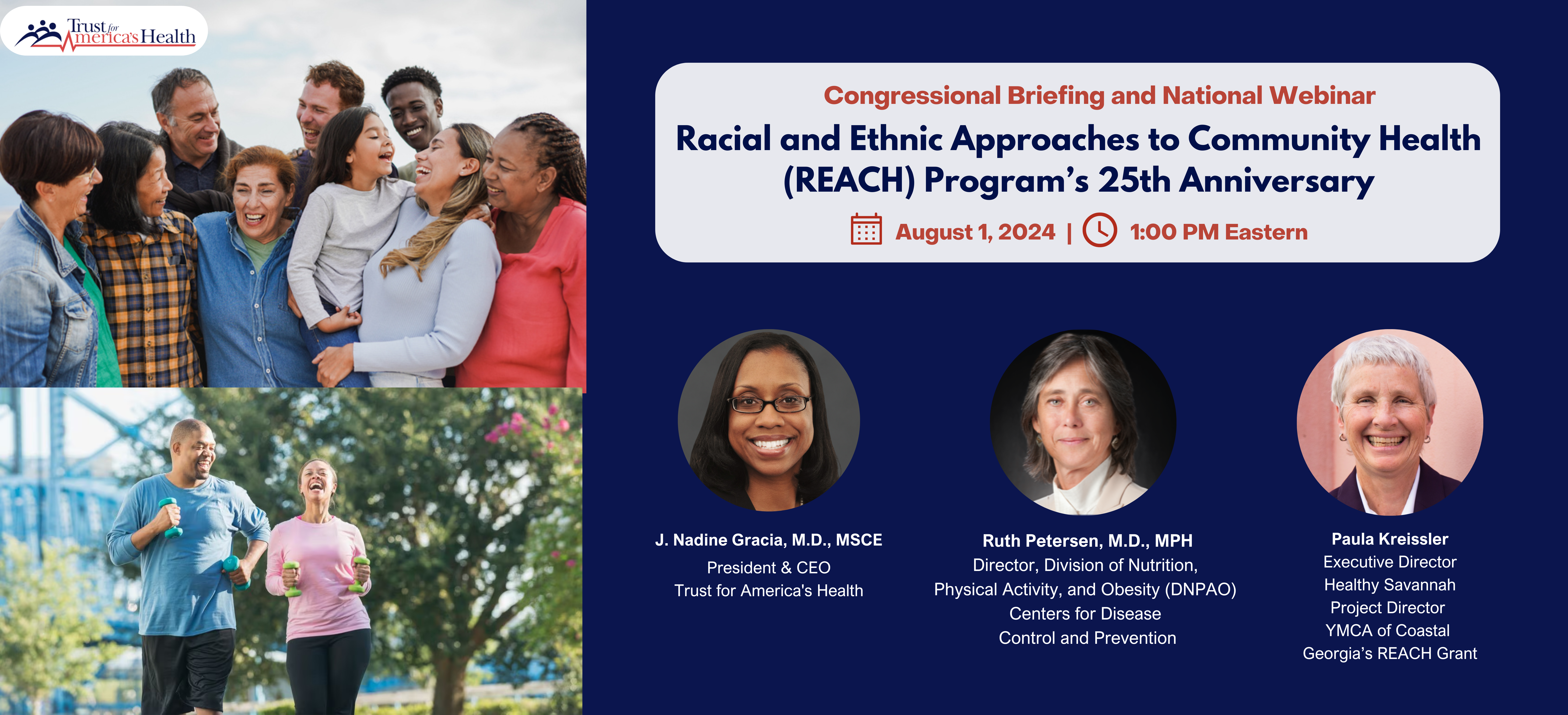
Racial and Ethnic Approaches to Community Health (REACH) Program’s 25th Anniversary

Trust for America’s Health hosted a virtual Congressional briefing and national webinar honoring the 25th anniversary of the Centers for Disease Control and Prevention (CDC) Racial and Ethnic Approaches to Community Health (REACH) program. REACH aims to improve health, prevent chronic diseases, and reduce health disparities among racial and ethnic populations with the highest risk, or burden of chronic disease. Since 1999, the program has empowered communities to develop and share effective solutions, fostering a healthier future for all.

A panel of subject matter experts discussed the history, achievements, and future of the REACH program.

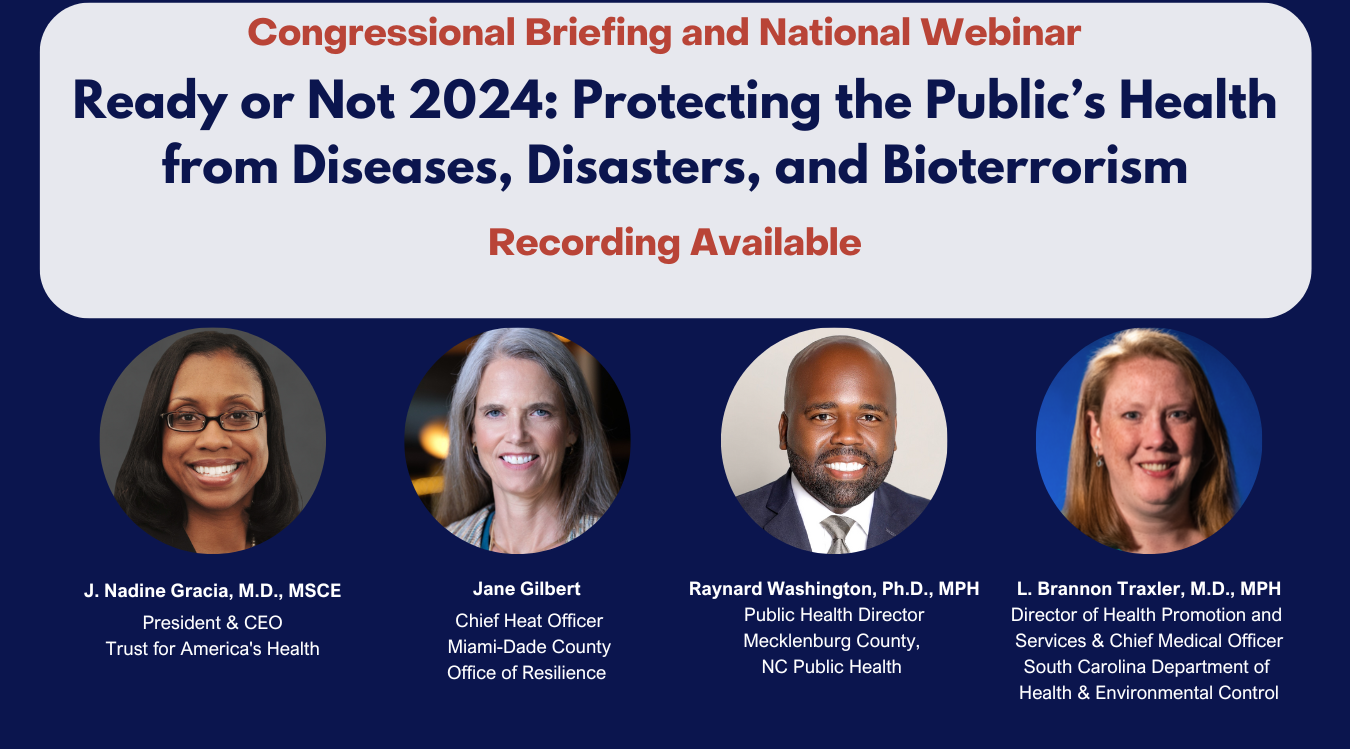
Ready or Not 2024: Protecting the Public’s Health from Diseases, Disasters, and Bioterrorism

The Ready or Not 2024: Protecting the Public’s Health from Diseases, Disasters, and Bioterrorism report identifies gaps in national and state preparedness to protect residents’ health during emergencies and makes recommendations to strengthen the nation’s public health system and improve emergency readiness. As the nation experiences an increasing number of infectious disease outbreaks and extreme weather events, the report found that while emergency preparedness has improved in some areas, policymakers not heeding the lessons of past emergencies, funding cuts, and health misinformation put decades of progress at risk.


Resource:

Ready or Not 2024: State-by-State Factsheets

Combating COVID-19: Why Paid Sick Leave Matters to Controlling its Spread

This webinar highlights recommendations made in TFAH’s Ready or Not and Promoting Health and Cost Control in States (PHACCS) reports on the important role of paid sick leave in combating infectious diseases, as well as other complementary evidence-based policies that can be adopted by federal, state and local governments and by employers.

Presenters focused on pending federal legislation, states that have adopted laws regarding paid leave, and businesses that are expanding these benefits. In addition, they discussed the potential short-term uses of the recently approved supplemental budget to assist individuals without paid leave when confined to their homes.

Recommended for anyone working in public health, advocacy, school health, community-based organizations, businesses, labor unions, hospitals, health systems, insurers, policy staff, and local and state health officials.

Promoting Health & Cost Control in States: Exploring the Health and Economic Impacts

This is the first segment of a web forum series dedicated to highlighting state-level, evidence-based strategies across sectors to improve health. States can improve their residents’ health and well-being, and lower healthcare costs, by implementing a range of policies in sectors beyond healthcare. The Promoting Health and Cost Control in States (PHACCS) initiative focuses on 13 state-level policies that can be adopted and implemented to promote health and control cost growth.Please join this web forum hosted by Trust for America’s Health for a panel discussion with public health leaders as they highlight the current legal landscape of tobacco pricing strategies, the health impacts of tobacco pricing strategies, and how advocates are working at the local and state level to reduce tobacco use.

Every year, smoking-related illnesses cost the United States more than $300 billion, including approximately $170 billion in medical care. However, one of the most effective evidence-based strategies for state policymakers to consider reducing tobacco use is decreasing access to, and increasing the price, of tobacco products.The panelists will also discuss the latest research and public health efforts focused on tobacco control programs. The web forum session will include time for audience Q&A.This web forum is free for all participants. It is recommended for those working in public health, advocacy, education, community-based organizations, faith-based organizations, hospitals, health systems, insurers, and local and state health officials.

Additional Resources: