Defining the Wins: Statewide Policy Change Strategies for Public Health
June 25, 2026 • Webinar
As many states conclude their 2026 legislative sessions, TFAH took a closer look at how communities are defining progress and securing vital public health victories despite increasing challenges.
TFAH is dedicated to supporting public health community partners through our core reports, convenings, and the Promoting Health and Cost Control in States (PHACCS) initiative. Through PHACCS, we identify how states are actively pursuing health-promoting policies during a time of federal policy flux. As jurisdictions navigate growing budgetary shortfalls and adapt to new directives, national partners are increasingly looking to the local level for inspiration on how to leverage unique administrative decisions and effective coalition-building to achieve lasting public health successes.
We discussed the key goals, activities, and partnerships that have helped policymakers, government leaders, and advocates drive recent progress for the public’s health and well-being. Speakers highlighted actionable strategies to advance essential programs, share lessons on navigating challenging policy environments, and offer insights for future collaboration and practice.
Panelists
-
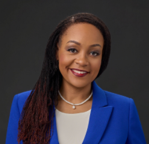
Denise Anderson, Ph.D, MPHDr. Denise Anderson is an accomplished public health executive with experience in hospitals, government, nonprofit organizations, and academia.
-
Patty BarkerPatty joined the staff of the Arkansas Hunger Relief Alliance in September of 2012 to serve as the Campaign Director for the Arkansas No Kid Hungry Campaign.
-
Kirsten JohnsonKirsten Johnson has over 20 years of experience as a public health leader in complex local, state, national, and international organizations.

Moderator
-
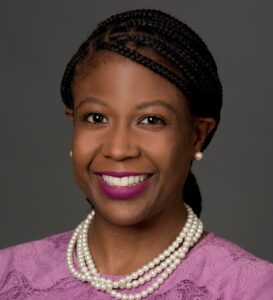
Breanca Merritt, Ph.DBreanca Merritt is TFAH’s Director of Policy. In that role she leads a portfolio of policy initiatives, convenings, and partnerships designed to develop and support health promoting programs and policies and advance TFAH’s policy goals.
Recent Webinar/Briefing
Celebrating Healthy Aging Across the Life Span: Thinking Intergenerationally about Public Health Practice